
When I immigrated to the US a few years ago, I was a naive teenager who believed everything portrayed on the media and what I told about other ethnicities. I believed the stereotypes about African Americans, Muslims and other ethnic groups. Like some teenagers who immigrate from an African country, I sort “white approval”.
It wasn’t until I started interacting with other groups of people that I began to break my biases and stereotypes. As I began learning, my views on other ethnicities and races became different from the views of my community. I was usually the one arguing against what my community saw as the “norm”. I became the black sheep.
Also, I started working in one of the most diverse places on campus. My co-workers where from across the globe, there were at least 2 people from every continent at my job. I didn’t have to be the token black person who had to represent all black people (Struggles of going to a PWC). Everyday at my job was different, there were days when we talked about fashion, food, race, white supremacy, feminism, police brutality, Beyonce, terrorism, Palestinian-Israeli fight etc. We spoke about whatever was going on in the world at the time, we spoke about what was affecting members of our community. Based on who I was working with, the conversations were always different.
I learned more from these conversations than I did anywhere else, I began to care about things which did not affect me in anyway and I became an ally. I felt comfortable having those “uncomfortable ” conversation and I felt comfortable when my co-workers called me in on my ignorance. I started checking my own biases and privileges and realized that more connects us than separates us. There is no way I would have learned any of these if I wasn’t in this environment, which is why I believe ethnic and racial diversity are the most important diversity especially in the society we live in.
I remember every time we had a racial incident on campus, my supervisor would email/text us personally to check on us, talk and make sure we were okay. I didn’t get this at my other jobs which were not diverse. I was still expected to show up and act like it was any normal day. I even had a professor who used class time to talk about these incidences when they occurred.
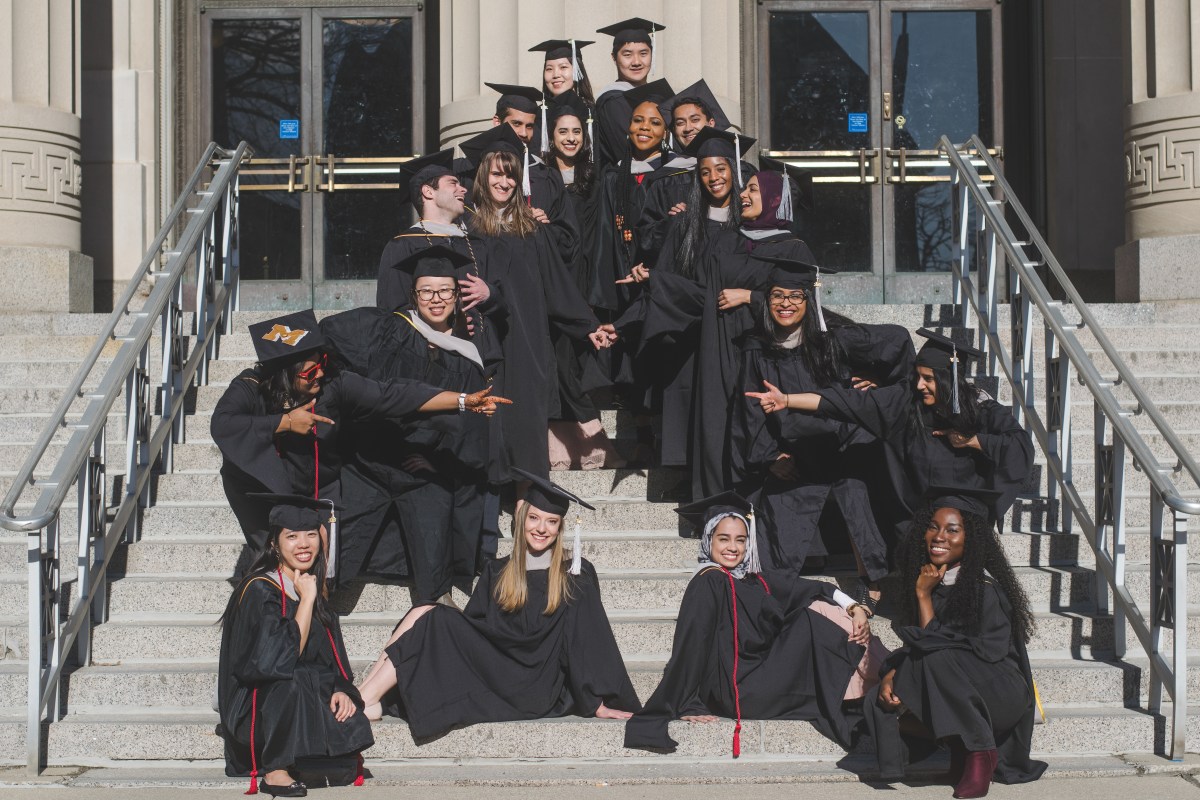
When I started grad school, I expected to hate it as much as I hated undergrad but surprisingly, they were the best two years of my life. My friends made my grad school experience. In case you are wondering, my friends are very diverse and my experiences were very similar to the ones I had at work. A normal conversation could go from talking about food to racial bias.
In our society we continue to see the importance of breaking biases and stereotypes. It is not enough to have a diverse group of people but creating an environment where people feel comfortable and psychological safe speaking up. In healthcare especially, you need to understand the challenges a community faces to create relevant interventions and impacts. You don’t learn this from a book or the internet, sometimes it is not even reflected in the data.
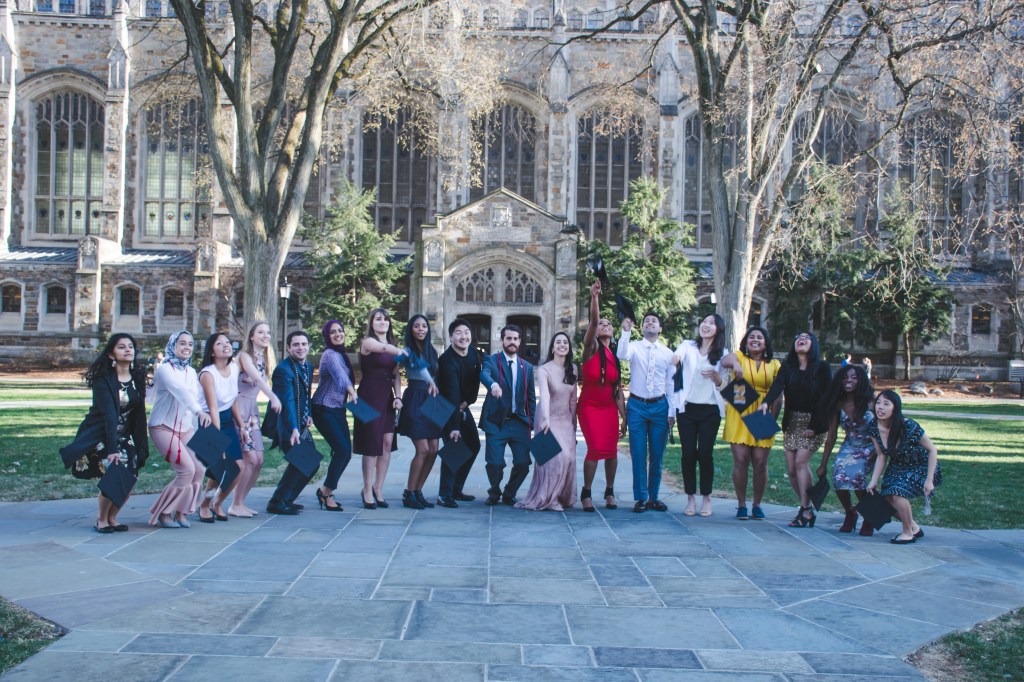
You learn this through interactions which create empathy. We need to educate our friends, family, kids etc on the importance of making friends who don’t look like us, who have different views from us, who have different economic status from us etc because that’s where the real magic happens. Even though I stress the importance of diversifying your friends, I still have a strong black presence in my life because I don’t want to lose touch with my reality, I need to be reminded of who I am, my values, my history and where I come from. I still need people in my life who understand the struggle, so that I don’t become lost. Having this balance is very important.
Thanks for reading, don’t forget to subscribe !
 Alieh Kimbeng